Physical stores today face a daunting challenge. Keeping shoppers engaged in an era where online shopping offers fast, highly visual gratification requires a serious infrastructure upgrade. To bridge this gap, integrated digital signage has emerged as a definitive game-changer. By bringing dynamic, web-like content directly onto the store floor, retailers can instantly elevate the shopping environment.
In this comprehensive guide, we will explore how these cutting-edge screens operate from a technical standpoint. We will examine why they fundamentally outshine traditional video walls in commercial settings. Furthermore, you will learn practical strategies to leverage this technology to maximize customer engagement and effectively boost your in-store sales.
Market analysts are currently observing a massive transformation within commercial spaces. The rigid boundary between e-commerce and brick-and-mortar browsing is dissolving, giving rise to a blended "phygital" retail landscape. Recent industry data highlights that global brands are aggressively shifting their marketing budgets away from static print media. Instead, they are investing heavily in dynamic in-store retail media networks.
Modern consumers now expect the exact same high-level visual stimulation on the high street as they experience on their smartphones. Consequently, deploying a high-definition Advertising LED Display has become the most direct method to meet these escalating consumer expectations, combat banner blindness, and drive meaningful foot traffic.
In the commercial audio-visual sector, the term all-in-one describes a fully integrated hardware and software ecosystem. Historically, building a large-scale digital canvas meant dealing with a chaotic mix of components. Field technicians had to source separate light-emitting modules, heavy mounting frames, independent power supplies, and complex sending cards. External video processors and standalone audio systems only added to the server rack clutter.
Conversely, the latest generation of display technology consolidates all these disparate elements into one sleek package. Featuring a built-in operating system like Android or Windows, integrated audio, and internal processing power, this design functions much like a consumer smart TV. However, it is explicitly engineered on a massive, commercial scale to handle 24/7 operation.
The transition toward integrated technology addresses several critical pain points associated with legacy setups. Traditional installations are notorious for their messy wiring. They demand specialized engineers for tedious color calibration and pixel mapping. Furthermore, the software required to manage content often necessitates extensive staff training.
To solve this, modern systems introduce a true plug-and-play architecture to the digital signage market. Because the components arrive pre-configured and housed within a single frame, deployment times shrink from several days to mere hours. Store managers can simply power on the device, connect to the local network, and begin casting promotional content immediately.
For over a decade, retailers relied on LCD video walls to construct large digital displays, mounting multiple panels in grid formations. However, LCD technology suffers from a fundamental physical flaw known as the bezel. Even with modern ultra-narrow bezel screens, the grid lines remain highly visible. These dark lines fracture the image and disrupt the brand's visual flow.
In contrast, direct-view technology eradicates this issue entirely. The modules fit together with microscopic precision, creating a unified, unibody viewing canvas. To illustrate the technical disparities, consider the following engineering comparison:
| Feature | Legacy LCD Video Wall | Integrated LED Display |
|---|---|---|
| Visual Seamlessness | Visible bezels creating disruptive grid lines | 100% seamless with zero visible borders |
| Brightness Range | 500 to 700 nits standard | 600 to 1200+ nits highly adjustable |
| Contrast & Black Levels | Lower contrast with noticeable backlight bleed | Infinite contrast delivering true deep blacks |
| Maintenance Protocol | Requires removing entire heavy panels from the mount | Front-serviceable magnetic modules replaced in seconds |
| Estimated Lifespan | Approximately 50,000 hours | Over 100,000 hours of continuous operation |
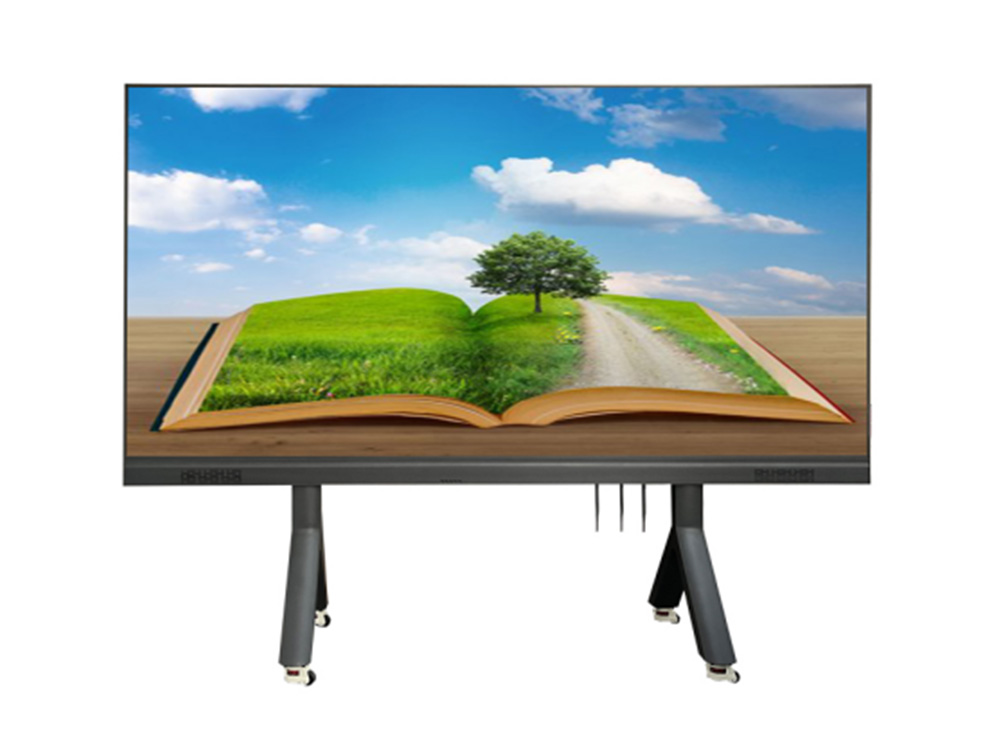
The strategic decision to upgrade store infrastructure to advanced display technology is heavily driven by practical business necessities. Retailers must maximize visibility, optimize expensive floor space, and streamline operational efficiency.
Picture a high-end fashion boutique or a bustling car dealership illuminated by harsh overhead spotlights. Standard commercial monitors often look washed out and lifeless under these intense lighting conditions. Specifically, LED technology utilizes direct-emitting diodes to bypass this problem. They deliver exceptional color accuracy, high refresh rates reaching 3840Hz, and intense brightness levels. This specification ensures that your promotional content remains vibrant, punchy, and fully legible from any angle, regardless of ambient glare.
Retail floor space is a premium asset. Bulky traditional signage enclosures eat into areas better utilized for product merchandising. Modern screens feature ultra-thin profiles, frequently measuring less than 35mm in depth. When mounted, they sit nearly flush against the wall. They act as a digital mural that elevates the architectural aesthetic while preserving every square inch of usable retail space.
In the fast-paced retail sector, hardware downtime equates directly to lost revenue. Consequently, integrated systems are engineered with front-serviceability in mind. If a specific cluster of pixels is damaged by a passing shopping cart, a store employee can use a simple magnetic vacuum tool to pop out only the affected module from the front. The replacement takes seconds, completely bypassing the need to dismantle the display or disrupt store operations.
Digital signage transcends merely displaying moving pictures. It serves as a calculated psychological tool designed to influence shopper behavior at every stage of the purchasing journey. Integrating a premium indoor Advertising LED Display is a proven strategy to captivate shoppers the moment they walk by.
The physical storefront serves as the primary point of customer acquisition. High-brightness screens positioned behind exterior glass act as dynamic visual magnets. By utilizing high-definition motion graphics, they successfully combat the glare of natural sunlight. This effectively converts casual pedestrian traffic into active store visitors.
Once a shopper crosses the threshold, the objective shifts to prolonged engagement. High-resolution screens broadcasting lifestyle video content, virtual fashion shows, or deep-dive product demonstrations provide ambient entertainment. Psychological studies within retail environments indicate that engaging digital content substantially reduces perceived wait times at checkout queues. It encourages shoppers to linger, which directly correlates with a higher probability of making a purchase.
Today's hardware easily transcends passive broadcasting. By integrating contextual triggers, retailers can create a two-way dialogue. This might include displaying dynamic QR codes that shoppers scan to unlock exclusive daily discounts. Alternatively, stores can utilize sensor-triggered content that dynamically alters based on the time of day or the general demographic profile standing in front of the screen.
To extract maximum utility from a digital canvas, retailers must deploy strategic, intent-driven content. Here are evidence-based approaches to utilizing digital signage for tangible business growth.
Utilize the screen to broadcast dynamic countdown timers for flash sales. The visual urgency of a ticking clock taps directly into the psychological fear of missing out. This prompts shoppers to make immediate impulse purchases rather than delaying their decision until they leave the store.
Physical stores simply cannot stock every size, color, or variation of a product line. Use your digital canvas to showcase the full depth of your online inventory. This tactic bridges the gap between e-commerce and physical retail, capturing sales that would otherwise be lost due to out-of-stock items on the floor.
Modern consumers trust peer reviews far more than polished corporate advertising. Displaying curated, real-time social media feeds of real customers using your products builds authentic brand trust. It provides powerful social proof right at the critical point of decision.
Position screens strategically near checkout counters or dedicated product zones. For instance, if a customer is browsing a display of high-end cameras, the adjacent screen should dynamically promote compatible lenses, memory cards, and premium carrying cases. This effortlessly drives up the average order value.
Consumer demographics and mindsets shift dramatically throughout the day. Dayparting involves scheduling specific campaigns for specific hours. A convenience retailer might display high-energy coffee and breakfast combo promotions during the morning rush. The system then seamlessly transitions to targeted beverage and snack advertisements as the late afternoon crowd arrives.
When transitioning to modern digital signage, evaluating hardware specifications objectively is critical. The technical parameters of a screen directly dictate its performance, longevity, and suitability. To ensure a seamless customer experience, retail decision-makers should focus on three primary specifications.
In the realm of digital signage, pixel pitch is arguably the most vital metric. It refers to the physical distance measured in millimeters between the center of one pixel and the center of the adjacent one. This measurement dictates the display resolution and its minimum optimal viewing distance.
For indoor retail environments where consumers walk within inches of the hardware, a coarse pixel pitch will appear fragmented and pixelated, instantly degrading the brand's perceived value. Industry standards suggest a strict ratio for close-up viewing. Therefore, investing in a high-density 147-inch Advertising LED Display with a P1.53 specification is highly recommended. At this dense configuration, shoppers can stand just 1.5 meters away while perceiving a flawlessly smooth, crystal-clear image.
While modular panels can be built into any shape, standardized large-format displays offer distinct advantages in content creation. A 147-inch display has emerged as the benchmark for flagship stores. This specific dimension provides a massive, cinematic canvas that naturally adheres to the standard 16:9 aspect ratio. Maintaining 16:9 is crucial because it eliminates the need for expensive custom content creation. Standard commercial video files will fit perfectly without awkward stretching or cropping.
When evaluating options, prioritize native processing power. Look for systems featuring built-in Android or Windows environments, allowing the display to run content management software autonomously. Additionally, require smart features such as wireless screen-sharing capabilities for immediate localized updates. Remote diagnostic tools are also essential, empowering off-site IT teams to monitor screen health and push firmware updates without rolling a truck to the store.
The physical placement of digital signage within a retail environment significantly influences its return on investment. Strategic positioning ensures the hardware aligns with actual consumer behavioral patterns.
Displays positioned behind exterior glass face unique environmental challenges, most notably ambient sunlight. To remain visible during peak daylight hours, window-facing screens require high-brightness specifications. These typically range from 2,500 to 4,000 nits, alongside robust thermal management systems to dissipate solar heat effectively.
The checkout counter represents a critical zone for engagement. Shoppers here are a captive audience. Deploying screens behind the cash wrap actively reduces perceived wait times by providing entertaining content. Simultaneously, it presents a highly effective platform for pushing high-margin impulse buys to consumers who have already demonstrated purchasing intent.
Modern retail is shifting away from purely transactional layouts toward experiential environments. Immersive dressing rooms, central store hubs, or product demonstration areas utilize large-format displays to create a distinct brand atmosphere. Here, the screen acts as digital art or a virtual backdrop. It encourages shoppers to snap photos and share their in-store experience on social media, generating free organic marketing.
Implementing large-format digital signage requires a substantial initial capital expenditure. Consequently, operators must objectively evaluate the total cost of ownership. Historical data and operational analyses indicate that the long-term financial mechanics strongly favor digital integration over traditional print.
It is an established fact that commercial screens carry a higher initial price tag than traditional printed posters or lightboxes. However, evaluating the hardware solely on its purchase price ignores the massive operational efficiencies it introduces. To accurately calculate ROI, businesses must factor in the complete elimination of recurring operational expenses.
Traditional marketing requires physical printing, complex logistics, shipping to multiple locations, and localized labor for installation and removal. For a retailer executing bi-weekly rollouts, these costs accumulate rapidly. Digital signage eliminates these logistical nightmares entirely. Distributing a new promotional campaign across an All-in-One Advertising LED Display network requires only a few clicks via a cloud portal. This reduces the marginal cost of campaign distribution to near zero.
Beyond saving money on printing, dynamic motion graphics capture significantly more visual attention than static imagery. This increased attention correlates directly with measurable business metrics, consistently elevating foot traffic and the average order value.
Furthermore, commercial-grade technology is engineered for extreme longevity, boasting a rated lifespan of approximately 100,000 hours. If a store operates the screen for 12 hours a day, 365 days a year, the hardware can theoretically perform for over 22 years before reaching its half-brightness degradation point. This ensures a slow, predictable depreciation schedule that maximizes long-term commercial value.
Retail success in the modern era requires blending physical and digital experiences seamlessly. An integrated display system provides the ideal, frictionless solution for businesses looking to modernize their spaces. By capturing attention, increasing dwell time, and driving measurable sales growth, these screens prove to be invaluable assets on the sales floor.
Store owners must evaluate hardware specifications carefully. Prioritizing tight pixel pitches like P1.53 and integrated smart features ensures maximum visual impact and operational ease. Upgrade your retail environment today to meet changing consumer expectations and secure your competitive edge on the high street. Explore the advanced lineup of commercial display solutions at gzqcled.com to find the perfect fit for your specific retail layout and start transforming your store today.
The primary difference lies in the core technology and structural design. Direct-view displays utilize individual light-emitting diodes to produce both light and color. This engineering allows them to be built into massive, seamless canvases without any visible borders. They offer significantly higher peak brightness and a longer operational lifespan. In contrast, LCD TVs rely on a backlight shining through a liquid crystal layer. When multiple LCDs are stacked to create a video wall, the plastic borders around each screen create a visible, disruptive grid.
The letter P stands for pixel pitch, and 1.53 refers to the exact physical distance in millimeters between the centers of adjacent pixels. This measurement dictates the visual resolution of the screen. A P1.53 display represents an ultra-fine pixel pitch, meaning the pixels are very densely packed. This provides a high-definition, crystal-clear image that allows retail customers to stand very close—approximately 1.5 meters away—without seeing individual pixel blocks.
No, the installation process is highly streamlined compared to traditional systems. Legacy video walls required highly trained technicians to assemble individual cabinets, wire complex data loops, and manually calibrate external video processors. Modern units are engineered for plug-and-play deployment. They typically arrive in modular sections that snap together seamlessly and require only a standard power outlet to begin operation, significantly reducing installation time and labor costs.
Thanks to the modular, unibody design, a standard 147-inch unit can typically be fully assembled, mounted, and powered on by two technicians in under four hours. This drastically reduces store downtime compared to traditional video walls that often take days to wire and calibrate.
Updating content is managed through an integrated Content Management System. Most modern displays feature built-in operating systems that connect to your store's Wi-Fi or hardwired network. Store managers can log into a secure cloud portal from a laptop or smartphone to upload videos, schedule playlists, and push updates to one or multiple screens instantly. For simpler, localized setups, content can also be updated manually by inserting a USB drive directly into the display interface.
Yes, modern displays come equipped with robust cloud-based software. This allows corporate marketing teams to update, schedule, and monitor screen health across hundreds of store locations globally from a single centralized dashboard, ensuring brand consistency across all franchises.
While large-format screens do consume more electricity than standard consumer televisions, modern commercial displays utilize highly efficient Surface-Mounted Device technology to minimize energy draw. Maximum power consumption is only reached when the screen displays pure white at 100 percent brightness. Typical operating consumption is usually less than half of that maximum rating. Furthermore, modern displays include smart ambient light sensors that automatically dim the screen in darker environments, alongside programmable standby modes to conserve power after store hours.