Commercial LED displays represent high-stakes capital expenditures for any organization. Post-installation hardware failures routinely incur costs far exceeding any initial purchase savings. When panels fail during a major event, you lose revenue and brand trust. Navigating the global supply chain adds intense complexity to this procurement process. Buyers often struggle to distinguish between genuine manufacturing facilities and white-label resellers who merely pass along products.
You need absolute clarity when evaluating potential partners. This guide provides a strict, vendor-neutral framework to assess suppliers. We will help you evaluate partners based on their core engineering capabilities, strict environmental design requirements, and long-term corporate viability. You will learn exactly how to secure premium hardware while avoiding common sourcing pitfalls.
Environmental requirements dictate engineering: Indoor and outdoor displays require entirely different technical baselines (nits, IP ratings, pixel pitch).
Sourcing directly from an OEM LED panel factory reduces supply chain friction and ensures batch consistency for spare parts.
A reliable manufacturer provides verifiable compliance data (FCC, CE, RoHS) and clearly defined Service Level Agreements (SLAs).
Defining exact use-case requirements is the mandatory first step before engaging any led display manufacturer. Vendors cannot recommend appropriate hardware unless they understand your specific installation environment. Vague requests invite poor recommendations. You must establish strict technical baselines based on viewing distance, ambient light, and climate conditions. These baselines protect you from purchasing over-engineered screens or under-performing panels.
Corporate lobbies, broadcast studios, and control rooms demand highly specific technical traits. You should focus heavily on fine pixel pitch. Viewers stand close to indoor screens. You typically need sub-2.5mm pixel pitches for optimal clarity. Some premium boardroom installations require P1.2 or P1.5 panels. A standard indoor led display does not require blinding brightness. They operate perfectly between 500 and 1,200 nits.
However, indoor environments demand superior color accuracy. Grayscale performance becomes critical at lower brightness levels. Cheaper panels lose image detail when you turn the brightness down. Broadcast and on-camera environments also require high refresh rates. You must specify a minimum refresh rate of 3840Hz. High refresh rates prevent ugly banding and scan lines from appearing on video cameras.
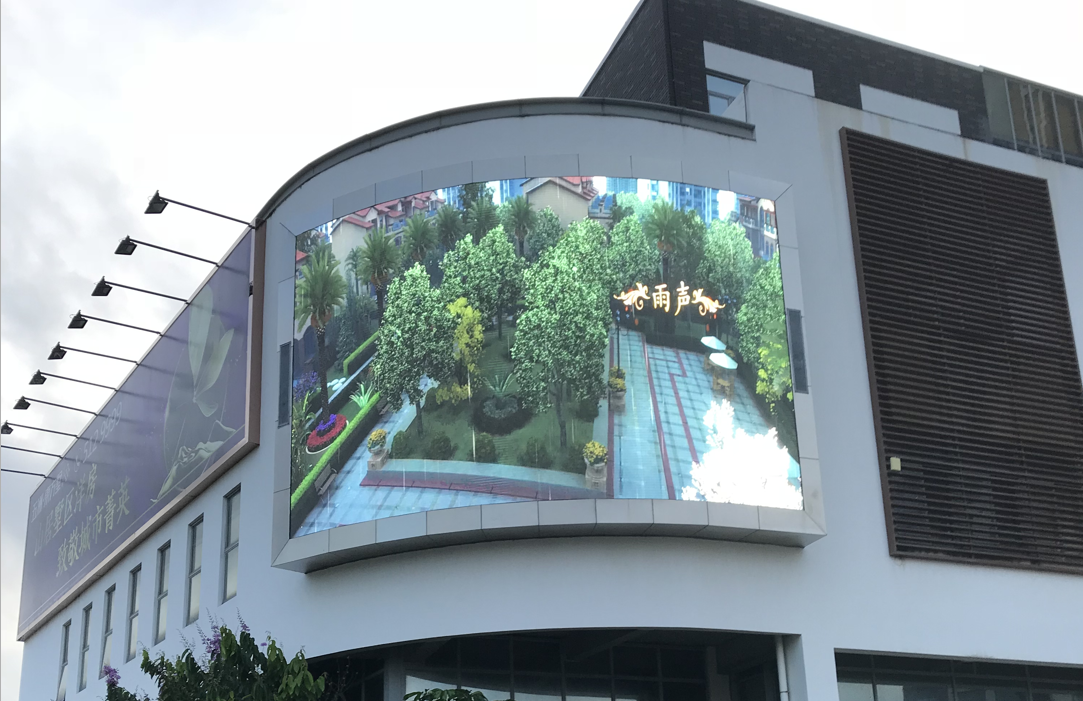
Outdoor installations face brutal environmental challenges. Direct sunlight washes out weak screens instantly. You must emphasize extreme brightness for any outdoor led display. Standard outdoor panels produce 5,000 to 7,000 nits. High-end installations facing direct afternoon sun often require 10,000+ nits to remain legible.
Weatherproofing metrics dictate the lifespan of your investment. You must demand a minimum IP65 rating for both the front and rear of the cabinet. This rating ensures total protection against dust and low-pressure water jets. UV resistance is equally critical. Sun exposure degrades plastic diode masks over time, turning deep black screens into faded gray walls. Finally, outdoor cabinets require automated thermal management systems. Internal fans or massive aluminum heat sinks must dissipate heat efficiently to prevent diode failure during summer months.
The global LED market hides a dangerous sourcing trap. Countless middlemen masquerade as direct manufacturers. Buying from these resellers introduces severe risks. They add unnecessary markup costs to your project. They lack direct control over warranty fulfillment. When technical issues arise, resellers must relay your questions back to the original factory, causing massive delays.
You must deploy strict verification tactics to bypass middlemen. Always secure your hardware directly from an authentic OEM led panel factory. Here is how you can verify a supplier's true identity:
Request real-time video tours: Ask the vendor to walk through their Surface Mount Technology (SMT) lines on a live video call. Resellers cannot do this.
Demand independent audits: Hire a local third-party inspection agency to visit the factory address. They can verify production capacity and employee headcount.
Evaluate R&D department size: True manufacturers employ dedicated structural engineers and PCB designers. Ask to see their patent portfolio.
Check vertical integration: Determine if they design their own PCB boards and custom cabinets. Resellers merely assemble off-the-shelf components in small warehouses.
Manufacturers control their supply chain. Resellers simply react to it. Partnering directly with the factory guarantees faster technical support and better pricing.
Not all LED screens perform equally, even if they look identical on paper. The internal components determine visual performance and longevity. You must interrogate potential partners about their supply chain choices. Ask manufacturers explicitly about their diode sourcing. Brands like Nationstar and Kinglight represent industry standards for reliability. Gold-wire diodes last longer and resist oxidation better than cheaper copper-wire alternatives.
Driver ICs (Integrated Circuits) also require your attention. The driver IC dictates the refresh rate and grayscale depth. Specify high-performance ICs from reputable brands like Macroblock. Subpar ICs cause dead pixels and inconsistent color rendering across the display.
A trustworthy factory tests every cabinet aggressively before shipping. You must demand documented evidence of their QA protocols. Standard aging tests require panels to display full white brightness for at least 72 hours continuously. This burn-in period identifies early diode failures before they leave the facility. Vibration testing simulates rough ocean freight transport. Waterproof testing guarantees the IP seals hold up against heavy rain. Never accept products bypassing these crucial QA steps.
Regulatory compliance markers are entirely non-negotiable. Installing uncertified electrical equipment exposes your business to massive liability. Local municipalities will halt your installation if screens lack proper safety marks. Certifications vary by region. You must verify these documents carefully.
| Certification Mark | Primary Region | Compliance Focus | Business Impact |
|---|---|---|---|
| FCC | North America | Electromagnetic Interference (EMI) | Prevents screens from disrupting local radio/flight signals. |
| UL / ETL | North America | Electrical Safety Standard | Mandatory for passing local fire marshal and building inspections. |
| CE | European Union | Health, Safety, Environmental | Required for legal import and deployment across the EU market. |
| RoHS | Global | Hazardous Substances | Ensures products do not contain dangerous levels of lead or mercury. |
Standard rectangular displays work well for basic applications. However, modern architectural designs frequently require bespoke solutions. A true manufacturing partner can engineer beyond off-the-shelf limitations. You might need a custom led screen to wrap around a structural pillar. Retail environments often demand transparent glass LEDs to maintain storefront visibility. Unique aspect ratios and unconventional shapes require advanced engineering expertise.
You must evaluate the vendor's structural integration capabilities. Can they provide custom mounting infrastructure? Standard brackets rarely fit custom architectural curves. The factory should produce exact CAD drawings and weight-bearing calculations for your specific project. This structural support prevents dangerous installation failures.
Software integration acts as the brain of your custom display. You must assess control system compatibility. Industry-standard control systems, such as Novastar or Brompton, offer immense flexibility. They integrate seamlessly into existing AV networks. Some vendors push proprietary, locked-in software. Avoid proprietary systems. They restrict your ability to hire third-party AV technicians and limit your future upgrade paths. Open-ecosystem controllers provide long-term operational freedom.
Deploying a massive commercial display requires rigorous post-sale planning. Hardware will eventually need maintenance. You must prepare for module repairs and replacements. One critical risk involves batch consistency. LED diodes vary slightly in color temperature and brightness during the manufacturing process. Factories group similar diodes into "bins". If you mix modules from different production batches, your screen will display an ugly patchwork of mismatched colors.
You must secure spare modules from the exact same production batch. Buyers should mandate a 5% spare parts allocation in the original purchase order. These spares guarantee perfect color calibration during future repairs. A reliable partner will explicitly document the batch numbers in your contract.
Industry standard warranties usually range from two to five years. You must read the fine print carefully. Break down what the warranty actually covers. Most factory warranties cover parts only. They will send you a replacement receiving card or power supply. They rarely cover the labor required to climb a scaffold and replace the component. Understand your internal labor costs before signing.
Question the manufacturer's local presence and Service Level Agreements (SLAs). Do they operate regional repair centers in your country? If a module suffers from dead pixels, you need a quick repair turnaround. Shipping defective parts back overseas at your own expense destroys maintenance budgets. Freight costs and customs delays can leave your screen looking broken for months. Prioritize vendors offering localized repair depots and clear SLAs detailing maximum response times.
A successful LED deployment always marries high-grade hardware with transparent, long-term manufacturer support. Selecting the right partner dictates the visual quality and operational lifespan of your project. You must reject middlemen, verify component quality, and demand strict environmental compliance.
Begin your next steps by narrowing your list to two or three verified vendors. Request specific technical drawings for your proposed installation space. Ask them to ship a sample cabinet to test the build quality firsthand. Always request a reference call with an existing client who deployed a similar system.
Protect your capital expenditure by relying on verifiable data rather than marketing claims. If you need assistance navigating these technical requirements, contact our team for a comprehensive technical consultation. We can review detailed product specifications tailored precisely to your specific project scope.
A: No. Indoor panels lack the necessary IP65 weatherproofing to survive outdoor humidity, dust, and temperature swings. Furthermore, indoor displays typically max out around 1,200 nits. Even under a roof, ambient outdoor daylight will completely wash out an indoor screen. You must use an outdoor-rated display for any exterior environment.
A: The industry frequently claims a "100,000-hour" lifespan. However, this represents the LED half-life. After 100,000 hours, the screen's brightness degrades to 50% of its original capacity. Running the display continuously at maximum brightness significantly accelerates this degradation. Proper thermal management and running screens at 70-80% brightness extend visual performance greatly.
A: Realistic timelines vary based on complexity. Production typically takes 15 to 30 days for custom engineering and strict aging tests. Ocean freight shipping adds another 30 to 45 days depending on your global location. You should factor in customs clearance and final transport, setting a realistic deployment expectation of 10 to 12 weeks.