Investing in digital screens for retail environments represents a major infrastructure decision. You are not simply buying commodity hardware off a shelf. You are integrating complex technology into your physical space. Retailers deploy these digital canvases to capture attention and drive foot traffic. They execute dynamic Marketing campaigns to engage modern consumers. These immersive visual experiences significantly elevate overall retail Branding. Yet, mismatched technical parameters or poor hardware choices can quickly ruin the desired visual impact. Choosing the wrong screen often leads to hardware failures and aesthetic disaster. This comprehensive guide offers a skeptical, evidence-based framework for evaluating technical specifications. We will explore how to align display architectures with specific retail environments. You will learn exactly how to vet manufacturing partners for your next commercial project.
TCO over upfront pricing: The true cost of a commercial display includes power consumption, structural engineering, and ongoing maintenance, which often exceed initial hardware quotes.
Environment dictates specifications: Brightness (nits), IP ratings, and pixel pitch must be strictly matched to the installation environment (e.g., direct-sunlight storefronts vs. indoor shopping mall concourses).
Supplier transparency is non-negotiable: High-quality manufacturers provide clear documentation on component origins (LED lamps, IC drivers), safety certifications, and specific Service Level Agreement (SLA) terms.
Compliance mitigates risk: Successful deployments require proactive alignment with local zoning laws, light pollution regulations, and fire safety codes.
Retail spaces vary wildly in lighting, audience distance, and structural capacity. You must map specific retail Promotion scenarios to the correct display architecture. This careful mapping prevents over-specification and ensures maximum hardware performance. A one-size-fits-all approach simply does not work for digital signage.
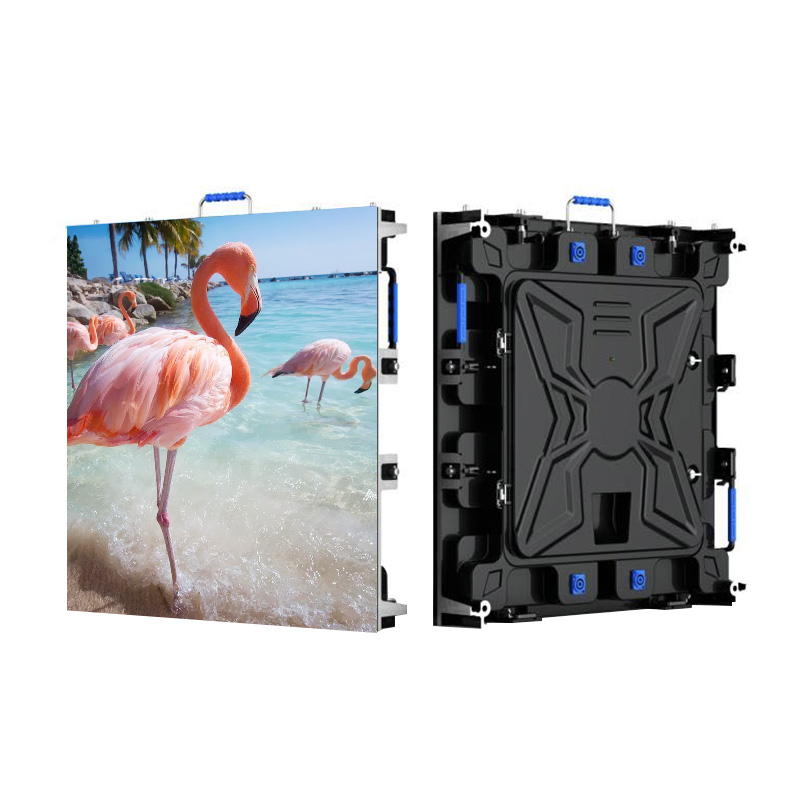
Indoor shopping mall environments demand extremely high resolution. Shoppers typically stand just a few feet away from the digital canvas. This close viewing distance requires fine pixel pitch configurations. You should prioritize models delivering crisp, seamless images. In-store experiential zones also rely on these high-resolution panels. Point-of-sale branding locations need screens integrating smoothly into interior designs.
Weight restrictions remain a massive factor indoors. You must evaluate the load-bearing capacity of interior walls before mounting screens. Strict fire-safety compliance is another non-negotiable requirement. Mall operators demand fire-retardant chassis materials. You must ensure your Advertising LED Display meets these specific venue guidelines.
Storefront windows present a unique environmental challenge. Sunlight creates intense glare during peak afternoon hours. Standard screens often look washed out or entirely invisible in direct daylight. You need exceptionally high brightness capabilities to combat this natural daylight glare.
Retailers often weigh standard enclosed displays against transparent alternatives. Transparent screens offer immense aesthetic benefits. They allow natural ambient light to flow inside the store. Shoppers can still see physical merchandise behind the digital glass. However, they typically deliver lower contrast ratios compared to enclosed cabinets. Standard solid panels offer superior contrast and image depth. You must balance the desire for transparency against pure visual punch.
Outdoor retail facades require extreme durability above all else. These massive installations face harsh weather conditions every single day. You must specify necessary weatherproofing standards like IP65 or IP68 ratings. These ratings ensure internal components remain completely sealed against dust and heavy rain.
UV resistance is critical for protecting the physical diodes. Sun exposure degrades inferior lamp materials rapidly. Automated brightness adjustment sensors are mandatory for continuous daily operation. These sensors dynamically lower brightness at night. They increase output during bright afternoons. This automation protects the hardware and respects local light regulations.
Comparison Chart of Retail Display Environments | |||
Environment | Primary Focus | Brightness Level | Key Durability Needs |
|---|---|---|---|
Indoor Mall | High resolution, short distance | 800 - 1,200 Nits | Fire-safety, lightweight chassis |
Storefront Window | Daylight visibility, aesthetics | 4,000 - 5,500 Nits | UV resistance, heat dissipation |
Outdoor Facade | Extreme weather survival | 6,000+ Nits | IP68 rating, heavy-duty sealing |
Buyers need a strong technical vocabulary to evaluate manufacturing proposals objectively. Understanding these metrics prevents you from selecting incorrect hardware.
Pixel pitch defines the physical distance between individual LED clusters. We measure this distance in millimeters. A P2 screen has two millimeters between pixels. A P10 screen has ten millimeters between pixels. You must calculate the optimal pixel pitch based on average foot traffic distance.
The industry rule states one millimeter of pitch equals one meter of optimal viewing distance. Customers viewing a screen from two meters away need a P2 configuration. Audiences standing ten meters away view a P10 screen perfectly. You avoid over-specifying unnecessary pixel density by following this simple matrix. High-density screens look incredible up close. They waste resources if placed high up on a building facade.
We measure screen luminance in nits. Defining the baseline nits required for your specific environment is critical. Indoor concourses generally require between 800 and 1,200 nits. This range looks vibrant under artificial lighting without blinding shoppers.
Storefront windows and outdoor environments demand completely different power levels. Sunlight easily overpowers standard indoor screens. Outdoor setups require 5,000 nits or more for true daylight visibility. Contrast ratios define the difference between the brightest whites and darkest blacks. High contrast ratios deliver punchy, lifelike colors. They make your LED Display appear premium and engaging.
Refresh rate measures how many times the screen draws a new image per second. High refresh rates around 3840Hz or higher are absolutely critical. Shoppers constantly pull out smartphones to record attractive retail installations. Low refresh rates cause horrible black scan lines on camera screens.
You want the display to appear perfectly flicker-free on social media videos. High refresh rates prevent viewer fatigue. They protect your brand reputation online. Excellent grayscale processing ensures smooth transitions between subtle color gradients. Poor grayscale makes shadows look blocky and unnatural. High grayscale depth preserves the visual integrity of your digital assets.
The internal components dictate the overall reliability of your system. The brand of the internal LED lamp heavily influences visual performance. High-tier lamps maintain excellent color uniformity over several years. Inferior lamps degrade unevenly, causing a blotchy appearance across the panel.
The driving integrated circuit (IC) is equally vital. The IC manages power distribution to individual pixels. Quality IC drivers prevent ghosting effects and manage heat generation effectively.
Follow this checklist when reviewing hardware components:
Verify the specific brand of the encapsulating diode.
Check the stated lifespan degradation curve from the manufacturer.
Confirm the driving IC model supports high refresh rates.
Request detailed thermal management specifications for the cabinet.
Logistical hurdles can easily derail a commercial installation. Establishing strict compliance protocols is mandatory for physical safety and legal operation.
Municipalities strictly regulate outdoor digital signage installations. You must secure proper zoning permits before ordering any hardware. Cities often impose severe restrictions on dynamic motion content. Many districts outright ban flashing imagery near busy intersections to protect drivers.
Light pollution regulations represent another major compliance hurdle. Local laws frequently enforce hard nits capping at night. You must prove your control system can automatically dim the panels after sunset. Failing to meet these municipal codes results in forced removal or massive operational delays.
Shopping mall operators enforce intense engineering requirements. You must address load-bearing wall limits early in the design phase. Heavy steel cabinets often require extensive structural reinforcement. We strongly recommend evaluating aluminum chassis options to reduce overall hanging weight.
Rigging safety factors require sign-off from licensed structural engineers. Fire safety codes strictly govern indoor deployments. Fire-retardant materials are legally required for cables and plastic housing elements. A thorough structural audit prevents catastrophic physical failures in public spaces.
Your Content Management System (CMS) acts as the brain of the network. Securing this software prevents unauthorized access or malicious screen hijacking. Hackers often target public digital canvases to display inappropriate imagery.
You must implement encrypted connections between media players and cloud servers. Two-factor authentication is mandatory for anyone accessing the scheduling software. Air-gapped networks offer the highest level of security for sensitive retail locations.
Best Practices & Common Mistakes:
Best Practice: Always hire a local structural engineer to review mounting blueprints before installation begins.
Best Practice: Implement automated ambient light sensors to guarantee compliance with nighttime dimming laws.
Common Mistake: Ignoring local municipal permit processing times, which delays the entire launch timeline.
Common Mistake: Using default CMS passwords, leaving the network completely exposed to external threats.
Choosing a reliable manufacturing partner requires a definitive, skeptical framework. You must look far beyond glossy marketing brochures.
Reputable factories willingly provide proof of regional compliance. You should demand authentic testing certificates for your specific country. European deployments require valid CE and RoHS documentation. North American projects strictly demand FCC and UL or ETL safety listings.
Never accept verbal confirmation of these safety standards. Request the actual certificate numbers and verify them through independent testing laboratory databases. Counterfeit compliance stickers remain a persistent issue in the hardware manufacturing industry.
You must differentiate between a basic parts warranty and a comprehensive Service Level Agreement (SLA). A standard three-year parts warranty often lacks practical value. It rarely dictates clear turnaround times for broken modules.
A rigorous SLA defines exact responsibilities for both parties. It clarifies who handles international shipping logistics for Return Merchandise Authorization (RMA). The agreement must stipulate guaranteed response times for technical support tickets. You need legal assurances of continuous operational support.
Rigorous quality assurance separates premium manufacturers from basic assemblers. You must ask for verifiable proof of extensive aging tests. Standard industry practice requires running the panels continuously for at least 72 hours. This aging test identifies dead pixels before the shipment leaves the factory floor.
Outdoor modules require strict vibration testing to simulate shipping stress. They also need documented waterproofing validation. Factories should provide video evidence of your specific batch undergoing high-pressure water testing. You should request detailed documentation of their thermal chamber testing to ensure internal cooling fans function correctly under extreme stress.
Overseas manufacturers offer excellent hardware at competitive scales. However, language barriers and time zones complicate urgent technical support. You must evaluate whether the manufacturer utilizes local integration partners.
Having a regional warehouse nearby drastically changes the maintenance dynamic. Rapid spare-part deployment prevents prolonged screen downtime. Local technicians can swap damaged receiving cards in hours rather than weeks. Prioritize partners offering tangible support infrastructure within your immediate geographic region.
A successful digital screen deployment carefully balances extreme visual impact with rigorous compliance. You must align your hardware specifications perfectly with your physical retail environment. Selecting the correct pixel pitch and brightness levels guarantees stunning imagery without wasting resources. Proactive planning mitigates serious structural and operational risks.
We advise auditing your retail space for structural capacity before requesting manufacturing proposals. You should demand detailed, component-level breakdowns from every prospective supplier. Transparency remains the ultimate indicator of a reliable manufacturing partner.
Take immediate action to secure your project's success. Request a specialized technical consultation with structural engineers today. Download a comprehensive supplier evaluation checklist to audit potential partners objectively. View an extensive gallery of verified retail case studies to inspire your next visual campaign.
A: The industry standard lifecycle reaches approximately 100,000 hours before degrading to half-brightness. This longevity depends entirely on daily operating hours and thermal management. Screens running continuously degrade faster than those operating only during mall hours. Proper ventilation significantly extends the usable life of the internal diodes.
A: Transparent screens require specialized architectural integration. They allow light to pass through storefront windows seamlessly. This aesthetic benefit comes with trade-offs. Transparent models feature lower pixel density and reduced contrast compared to standard solid cabinets. Standard panels deliver vastly superior color depth but block physical window views entirely.
A: Follow the standard industry rule of thumb. Your viewing distance in meters roughly equals your required pixel pitch in millimeters. A screen viewed from three meters needs a P3 resolution. You must scale the total physical screen size to fit the structural and load-bearing constraints of your specific wall.
A: You must secure a dedicated spare module inventory from the exact same manufacturing batch. Using modules from different batches causes highly visible color mismatches. You must also account for specialized cleaning protocols and CMS software licensing. Dust accumulation creates severe thermal traps, requiring regular professional dusting.